
The Influence of AI on Web Positioning
The world of SEO (Search Engine Optimization) has changed dramatically in recent years, and much of this change is due to the incorporation of Artificial Intelligence (AI). This technology has allowed digital marketing specialists to optimize their strategies in a more advanced way, helping companies reach new heights in online visibility.
In this article, we will explore in depth how AI is transforming web positioning, its practical applications, the challenges it poses, and how companies can adapt to stay competitive in a constantly evolving digital environment.
What Is Artificial Intelligence and Why Is It Relevant to SEO?
AI is the ability of machines to imitate human intelligence processes, such as learning, problem-solving, and decision-making. In the context of SEO, AI has revolutionized the way search engines rank and organize search results, as well as how marketing specialists design strategies to reach their target audience.
For example, search engines like Google have incorporated AI into their algorithms, using tools like RankBrain and BERT to better understand user queries and deliver more precise results. This has led to a paradigm shift in SEO: it is no longer enough to focus on keywords; it is now essential to consider search intent, context, and user experience.
The Evolution of SEO with AI
From Technical Optimization to User Experience
In its early days, SEO focused almost exclusively on technical optimization: choosing the right keywords, building links, and ensuring the website was well structured for search engine crawlers. While these elements remain important, AI has significantly expanded the scope of SEO.
Today, SEO is not just about making a site visible to search engines but also about improving the user experience (UX). This includes offering relevant content, fast load times, intuitive navigation, and clear answers to users' questions. AI plays a fundamental role in this shift by providing tools that analyze behavioral data, predict trends, and suggest improvements to optimize user interaction.
Benefits of Artificial Intelligence in Web Positioning

1. Analysis of Large Data Volumes
One of the biggest challenges in SEO is handling the enormous amount of available data. From keyword analysis to user behavior, AI makes it possible to process and analyze this data efficiently, extracting valuable insights that help make informed decisions.
For example, tools like Google Analytics and Semrush use AI algorithms to identify patterns and trends that may not be obvious at first glance, allowing SEO specialists to adjust their strategies more precisely.
2. Improvement in Semantic Search
Thanks to AI, search engines have evolved toward a deeper understanding of human language. This is known as semantic search and allows engines to interpret not only keywords but also the context and intent behind a query.
For example, if a user searches for “best phones for photography,” AI helps search engines identify content that specifically addresses that intent, rather than simply listing pages that contain the keywords “phones” and “photography.”
3. Content Personalization
Personalization is one of the greatest advantages that AI offers SEO. By analyzing data such as browsing history, preferences, and user behavior, AI can help create content tailored to the specific needs of each audience.
Platforms like HubSpot and Marketo already use AI to personalize the user experience, delivering relevant content at the right time, which increases conversion rates and improves web positioning.
4. Automation and Efficiency
Automation is another key benefit of AI in SEO. Repetitive tasks such as website auditing, monitoring broken links, or generating performance reports can be automated with AI-based tools like Screaming Frog and Ahrefs. This not only saves time but also reduces the likelihood of human error and allows SEO specialists to focus on more creative, high-impact strategies.
Use Cases for AI in SEO
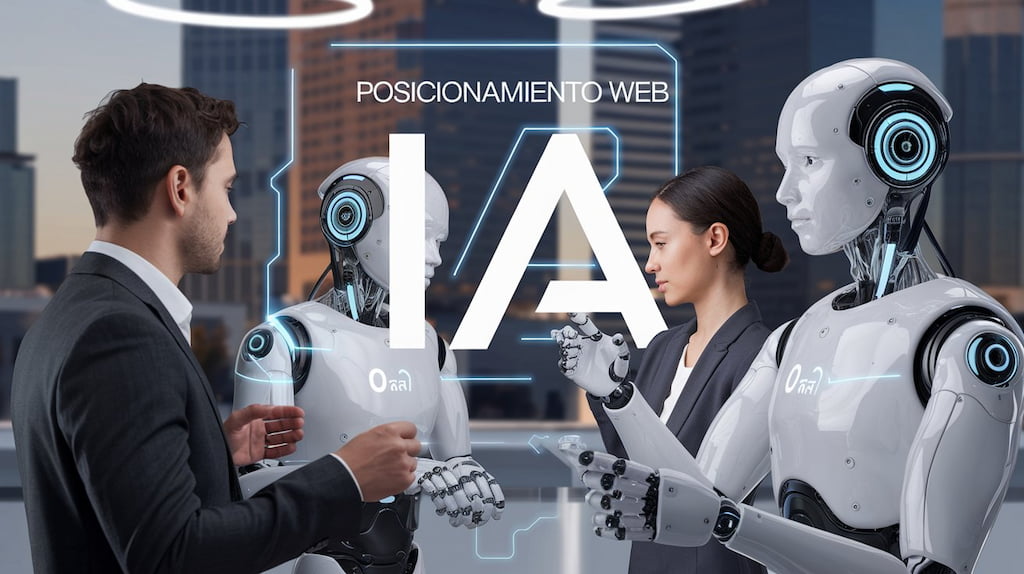
The implementation of AI in SEO is already transforming multiple aspects of web optimization. Here are some notable practical cases:
1. Internal Search Engine Optimization
Internal search is an essential component for e-commerce sites and large content portals. AI-based tools, such as Algolia, analyze user queries and deliver highly relevant results, improving the user experience and increasing the chances of conversion.
2. AI-Based Content Generation
Content creation is a time- and resource-consuming process, but AI has greatly simplified it. Tools like Jasper AI and Copy.ai can generate article drafts, product descriptions, and social media posts optimized for SEO, helping companies stay productive and competitive.
3. Trend Prediction
AI is also used to forecast search trends and changes in user behavior. For example, platforms like Google Trends and BuzzSumo analyze large amounts of data to identify emerging topics, allowing companies to stay ahead of the competition by producing timely and relevant content.
4. Intelligent Chatbots
Chatbots are one of the most visible applications of AI in SEO. By interacting with users in real time, chatbots can resolve queries, offer personalized recommendations, and improve the overall website experience. This has a positive impact on key metrics such as visit duration and bounce rate.
Challenges of AI in Web Positioning
Although AI offers numerous advantages, it also poses certain challenges that companies must address to harness its full potential:
1. Implementation Costs
AI technologies tend to be expensive, especially for small and medium-sized businesses. Implementing them requires investments in software, infrastructure, and staff training.
2. Algorithm Dependence
Changes in search engine algorithms can significantly affect SEO strategies. Companies must be prepared to adapt quickly to these changes to avoid a drop in their rankings.
3. Data Privacy
The use of AI in data analysis raises concerns about privacy and ethics. Companies must ensure they comply with regulations such as the GDPR to protect users' personal information.
How to Prepare for the Future of SEO with AI
The influence of AI on SEO will only grow in the coming years. To stay competitive, SEO specialists must:
- Adopt AI-Based Tools: Use advanced platforms for data analysis, content optimization, and task automation.
- Focus on User Experience: Create fast, accessible, and easy-to-use websites.
- Invest in Continuous Training: Constantly train on the latest trends in SEO and AI technologies.
- Comply with Regulations: Ensure user data privacy by complying with regulations.
Conclusion
Artificial Intelligence is redefining web positioning, offering unique opportunities to improve visibility, optimize content, and personalize the user experience. However, to make the most of this technology, it is crucial to address the ethical and technical challenges it poses.
Those companies that effectively integrate AI into their SEO strategies will be better prepared to stand out in the competitive digital world and will ensure their relevance in a future increasingly driven by technology.